Home  ›  Nutrition & Nutrients
NUTRITION · INFORMATION · BAYDUR FARM

What the greens on your plate contribute.

Explore the vitamins, minerals and plant compounds that stand out in Baydur Farm products, with a clear overview of their established roles in normal body functions.

23 productsVitamin & mineral focusedSource-based information
Information note: This page provides general nutrition information and is not intended for diagnosis or treatment. Nutrient content can vary by cultivar, growing conditions, harvest timing and portion size. People taking medicines that can interact with vitamin K should plan dietary changes with a qualified health professional.

All products

Search by product or filter by category.

Curly Lettuce
Lettuce Varieties

Curly Lettuce

Key nutrientsVitamin K · Folate · Beta-carotene · Water
Role in the body
  • Vitamin K plays a role in normal blood clotting and the maintenance of normal bones.
  • Folate supports normal cell division and blood formation.
  • High water content and fiber can support light, high-volume meals.
Romaine
Lettuce Varieties

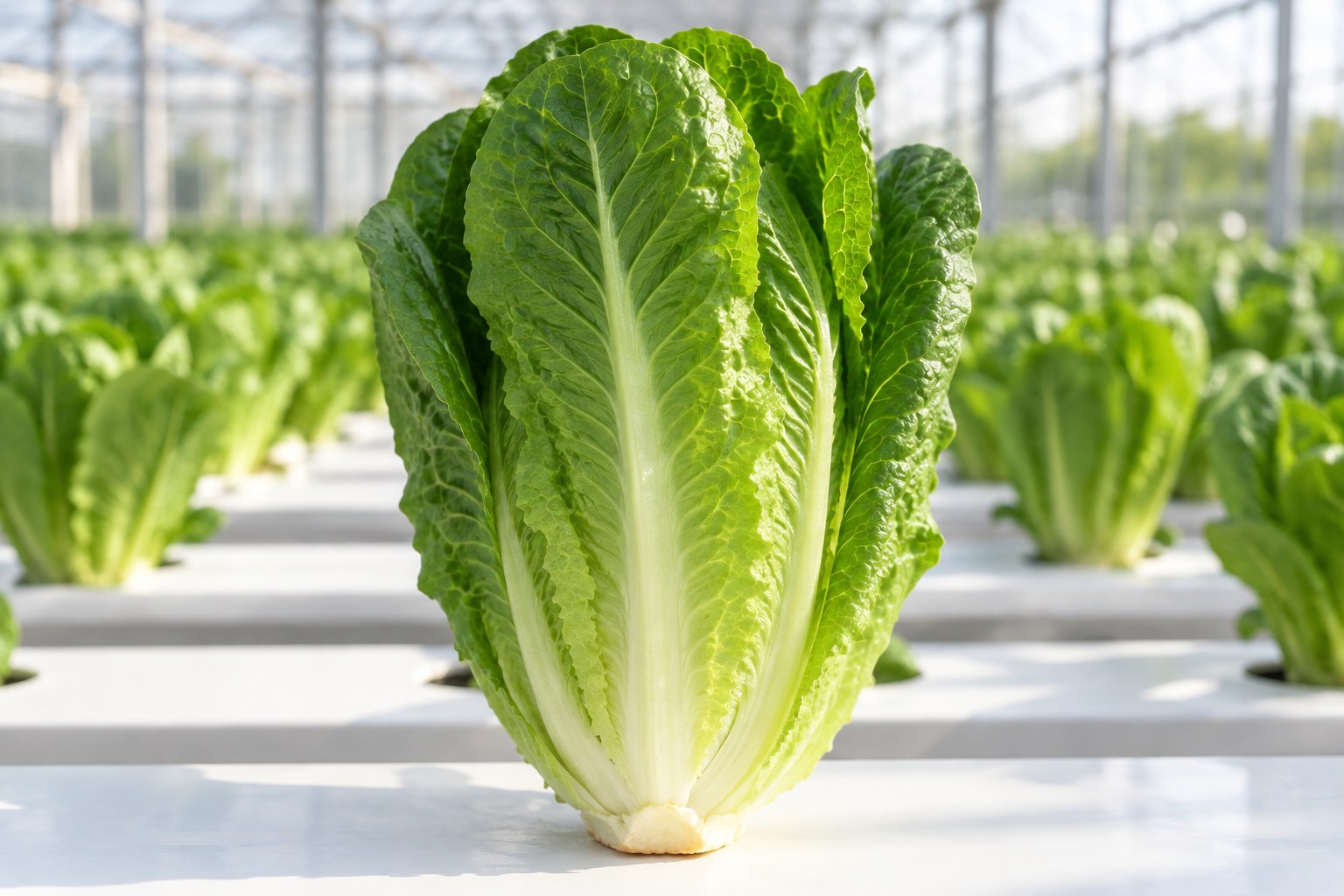
Romaine

Key nutrientsFolate · Vitamin K · Provitamin A carotenoids
Role in the body
  • Folate is required for normal cell division and blood formation.
  • Vitamin K contributes to normal blood clotting and bone health.
  • Some carotenoids can contribute to vitamin A formation in the body.
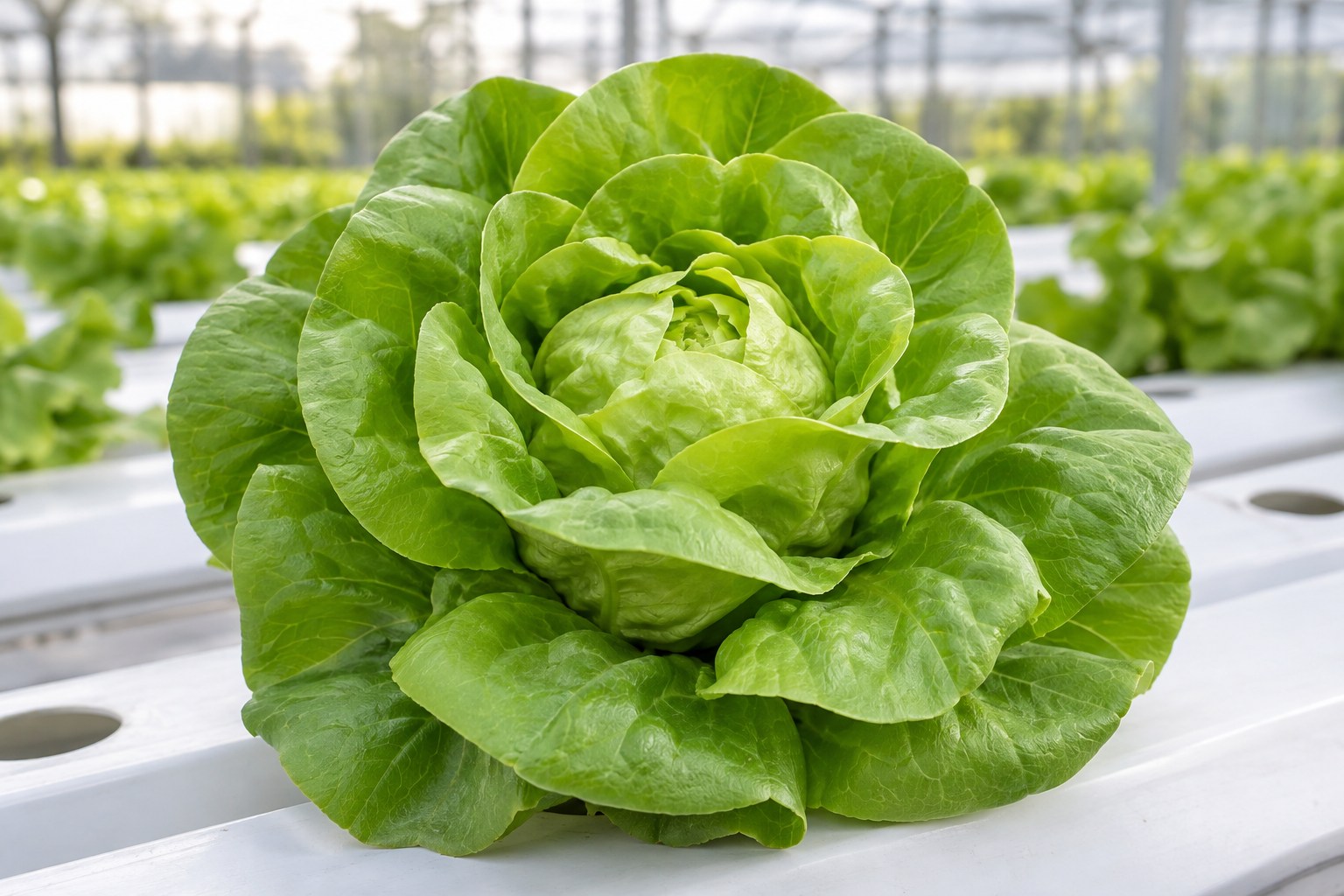
Butterhead
Lettuce Varieties

Butterhead

Key nutrientsWater · Folate · Vitamin K · Fiber
Role in the body
  • Its water content makes a small contribution to daily fluid intake.
  • Folate plays a role in cell renewal processes.
  • Fiber is part of a balanced diet that supports normal bowel function.
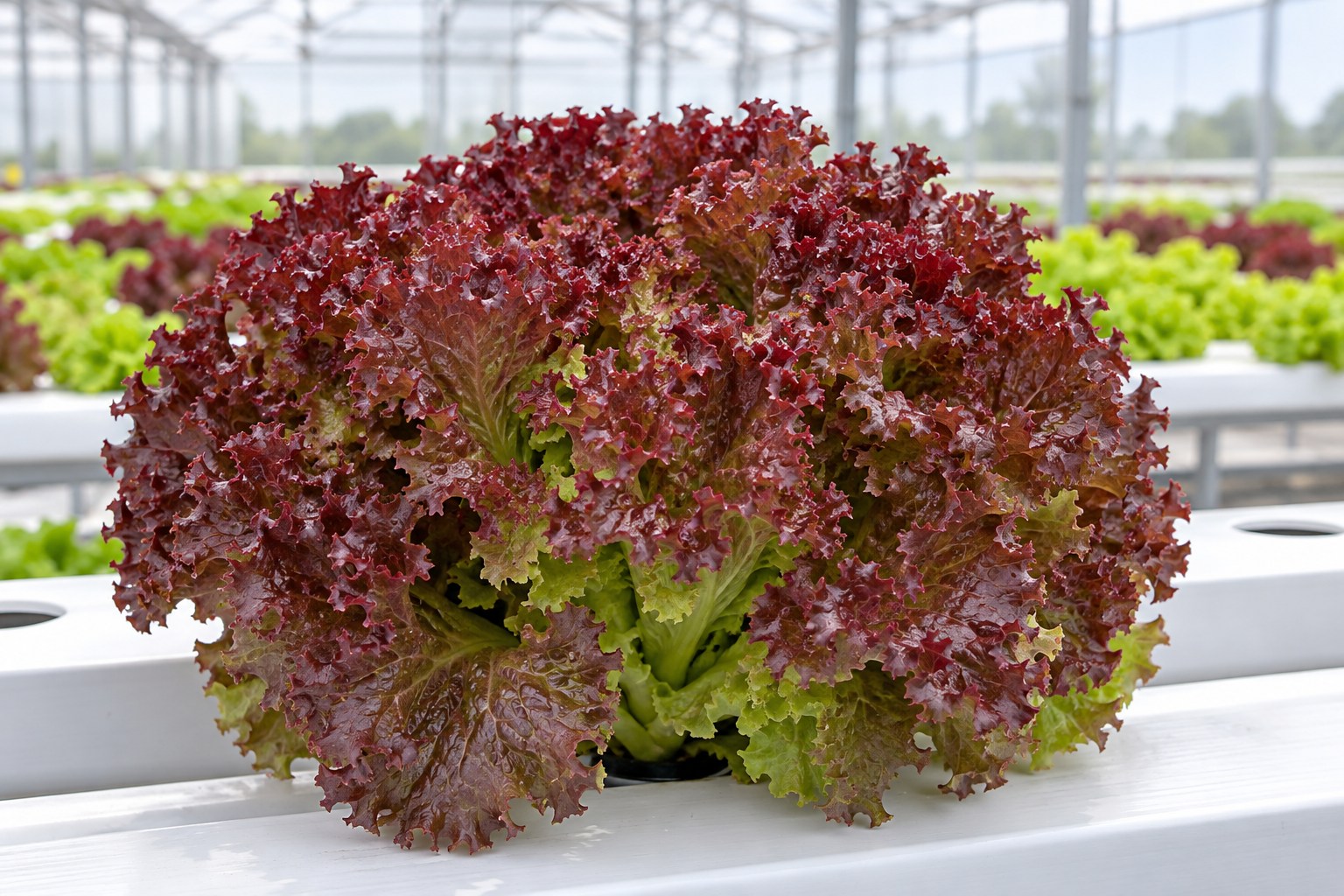
Lollo Rosso
Lettuce Varieties

Lollo Rosso

Key nutrientsAnthocyanins · Vitamin K · Carotenoids
Role in the body
  • Purple-red pigments contain plant compounds known as anthocyanins.
  • Vitamin K contributes to normal blood clotting and the maintenance of normal bones.
  • Carotenoids are plant pigments with antioxidant properties.
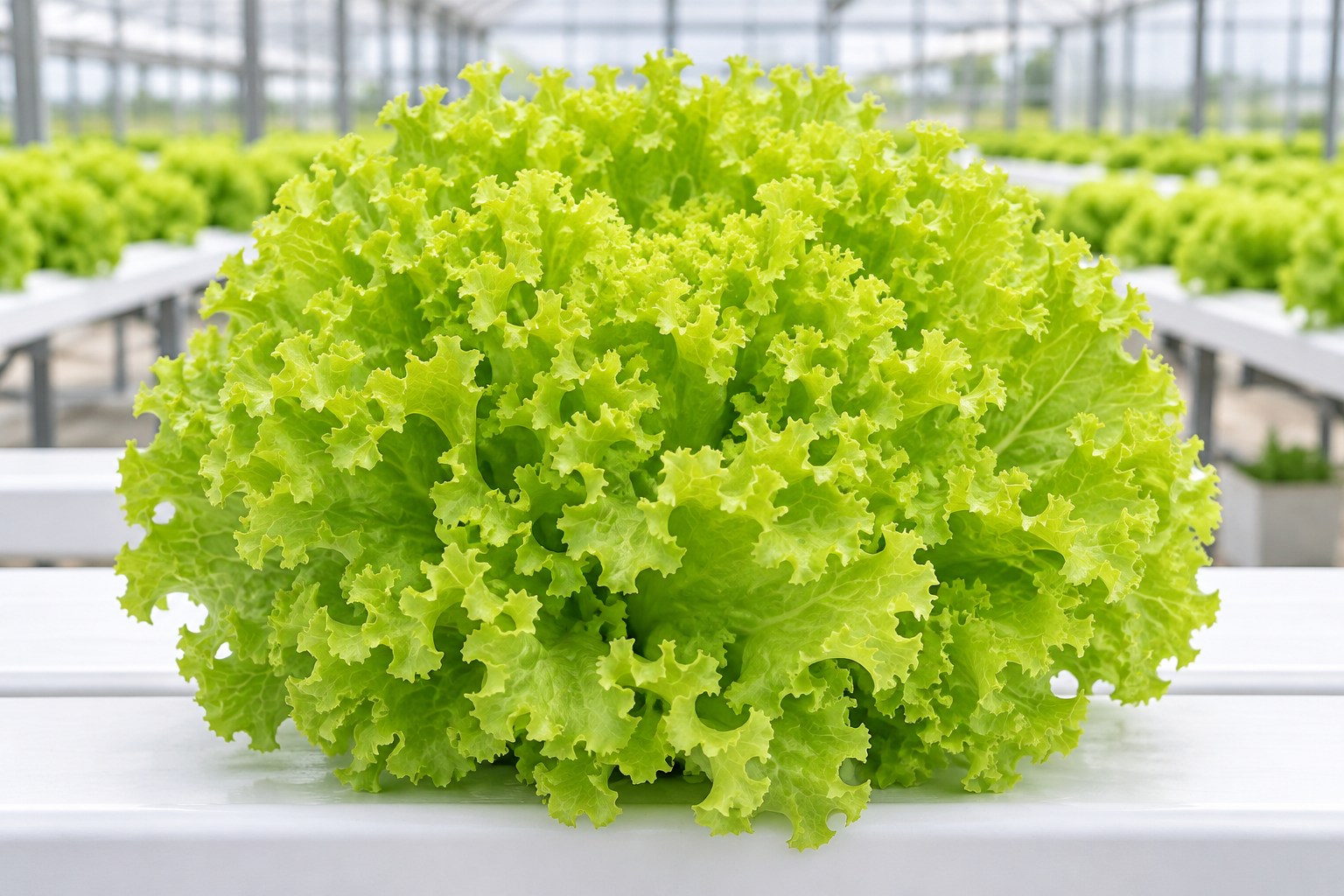
Lollo Bionda
Lettuce Varieties

Lollo Bionda

Key nutrientsVitamin K · Folate · Carotenoids · Water
Role in the body
  • Vitamin K plays a role in normal blood clotting and bone metabolism.
  • Folate supports normal cell division.
  • Water and fiber add volume and lightness to salads.
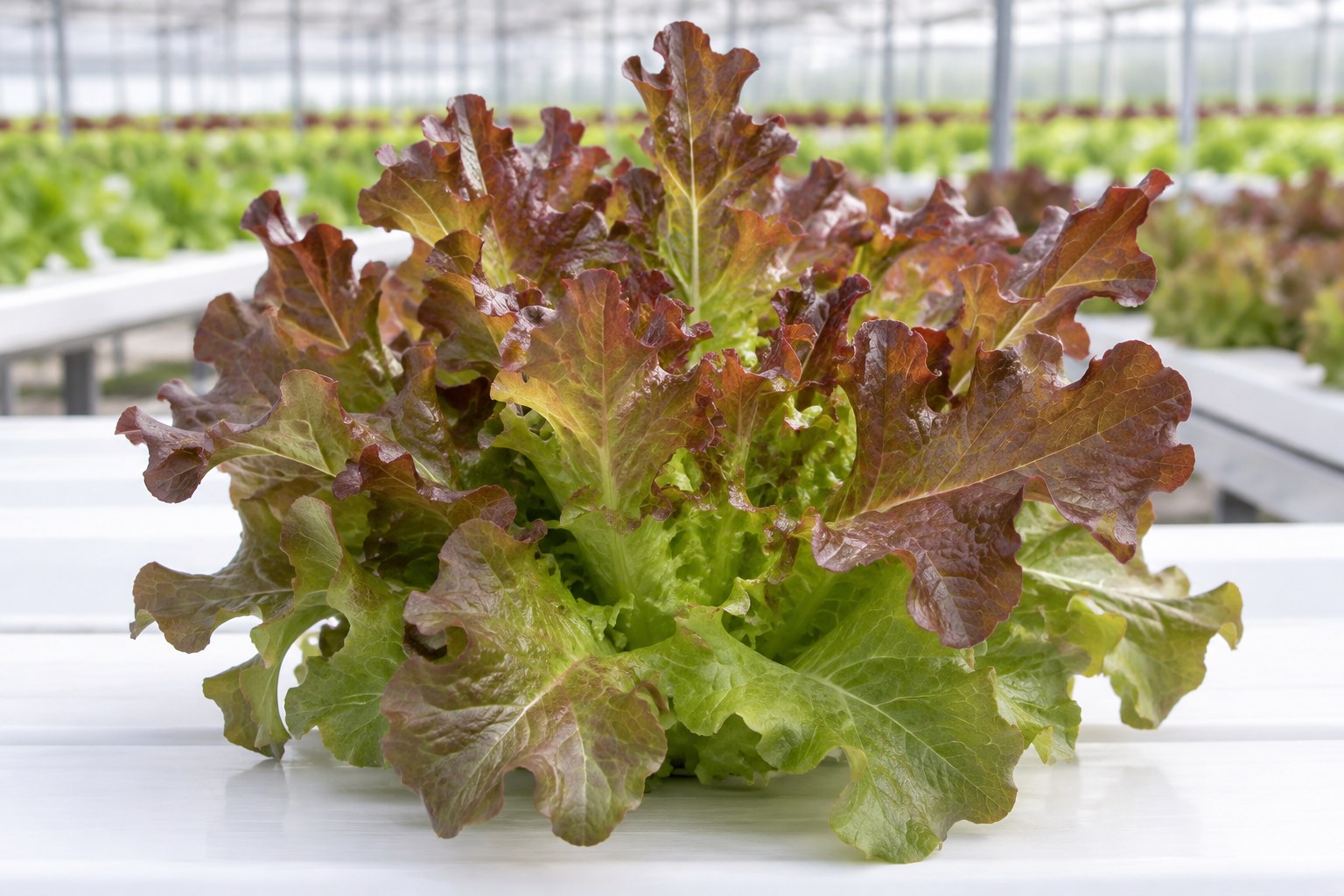
Oak Leaf
Lettuce Varieties

Oak Leaf

Key nutrientsVitamin K · Folate · Carotenoids
Role in the body
  • Vitamin K contributes to the maintenance of normal bones.
  • Folate plays a role in normal blood formation and cell division.
  • Carotenoids are among the plant’s naturally occurring antioxidant compounds.
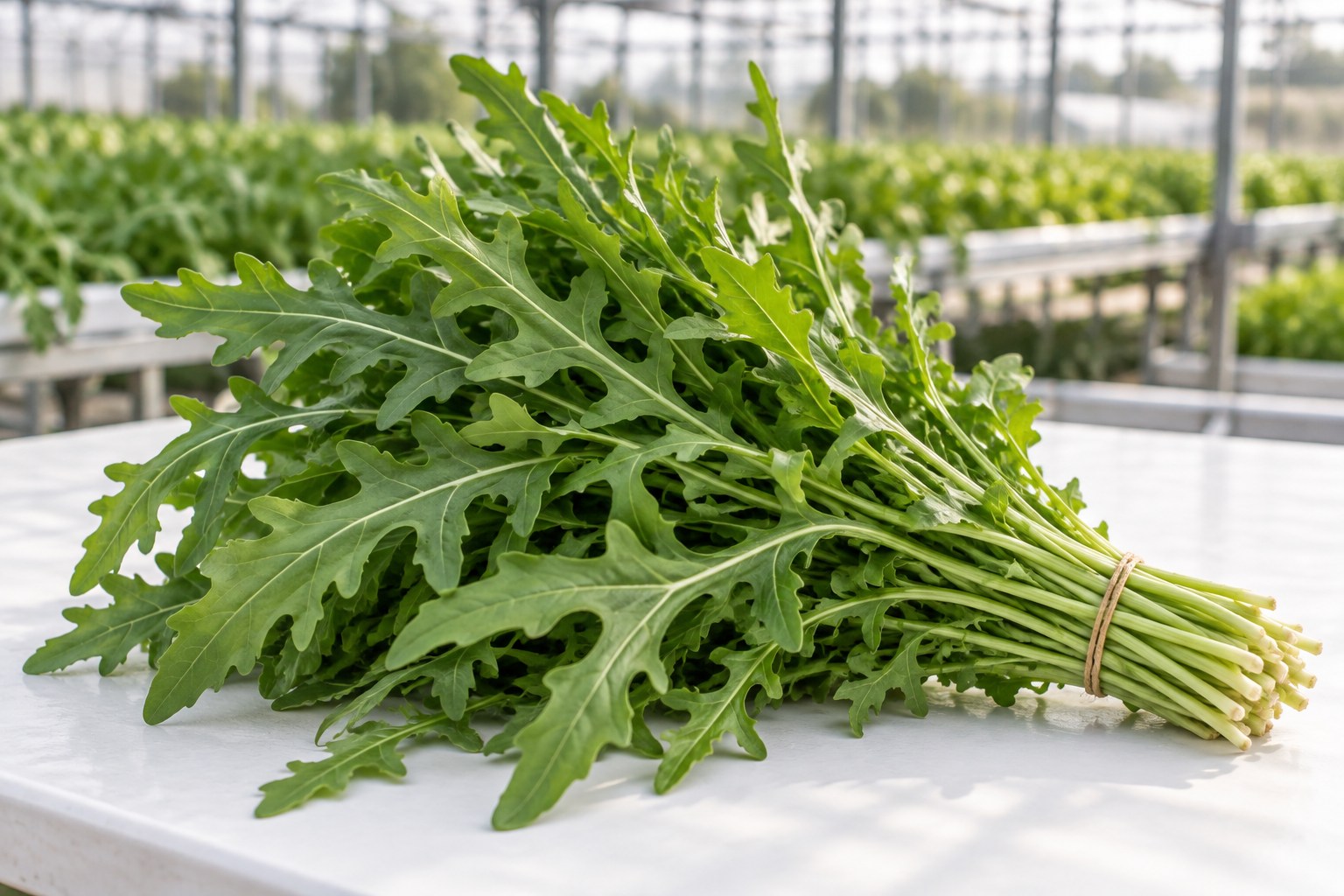
Arugula
Greens

Arugula

Key nutrientsVitamin K · Folate · Vitamin C · Glucosinolates
Role in the body
  • Vitamin K plays a role in normal blood clotting and the maintenance of normal bones.
  • Folate supports normal cell division and blood formation.
  • Vitamin C contributes to collagen formation and antioxidant protection; arugula also contains glucosinolates.
Cress
Greens

Cress

Key nutrientsVitamin C · Vitamin K · Carotenoids
Role in the body
  • Vitamin C contributes to normal immune function and collagen formation.
  • Vitamin K plays a role in normal blood clotting.
  • Carotenoids are natural plant pigments found in leafy greens.
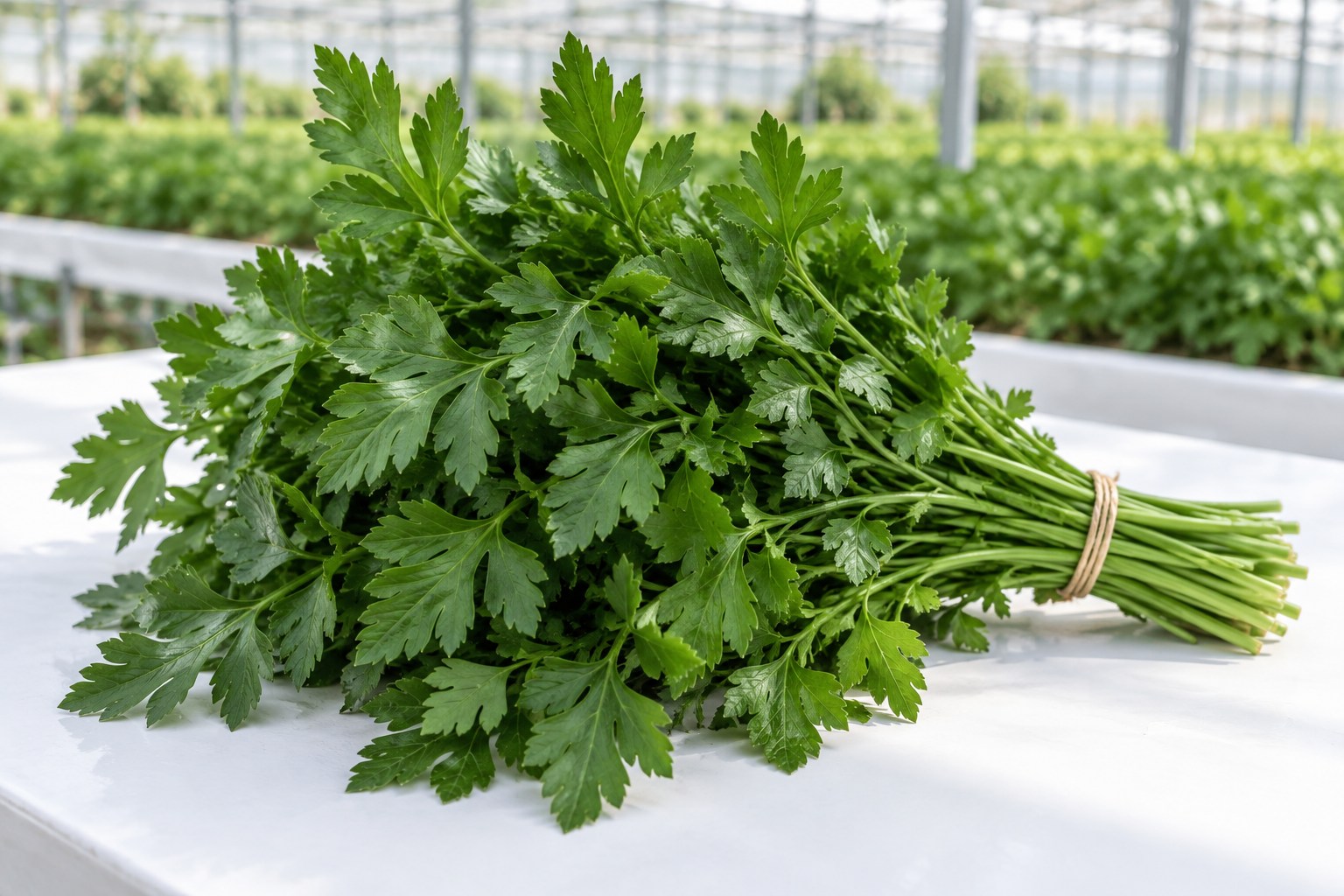
Parsley
Greens

Parsley

Key nutrientsVitamin C · Vitamin K · Folate
Role in the body
  • Vitamin C supports antioxidant protection and collagen formation.
  • Vitamin K contributes to normal blood clotting and the maintenance of normal bones.
  • Folate plays a role in normal cell division.
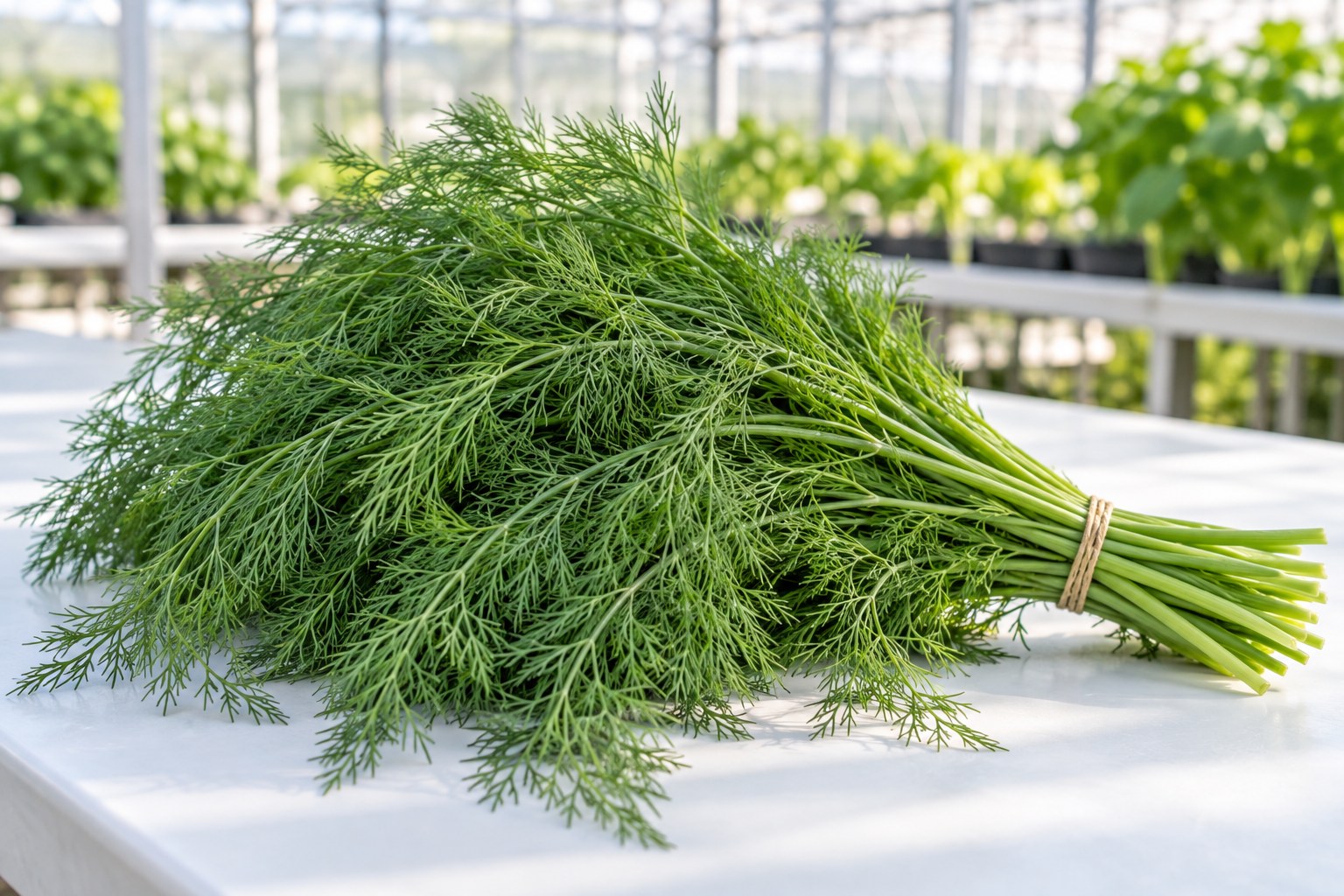
Dill
Greens

Dill

Key nutrientsVitamin C · Folate · Aromatic polyphenols
Role in the body
  • Vitamin C contributes to antioxidant defense.
  • Folate is required for normal cell division.
  • Aromatic plant compounds in dill add flavor and variety to the diet.
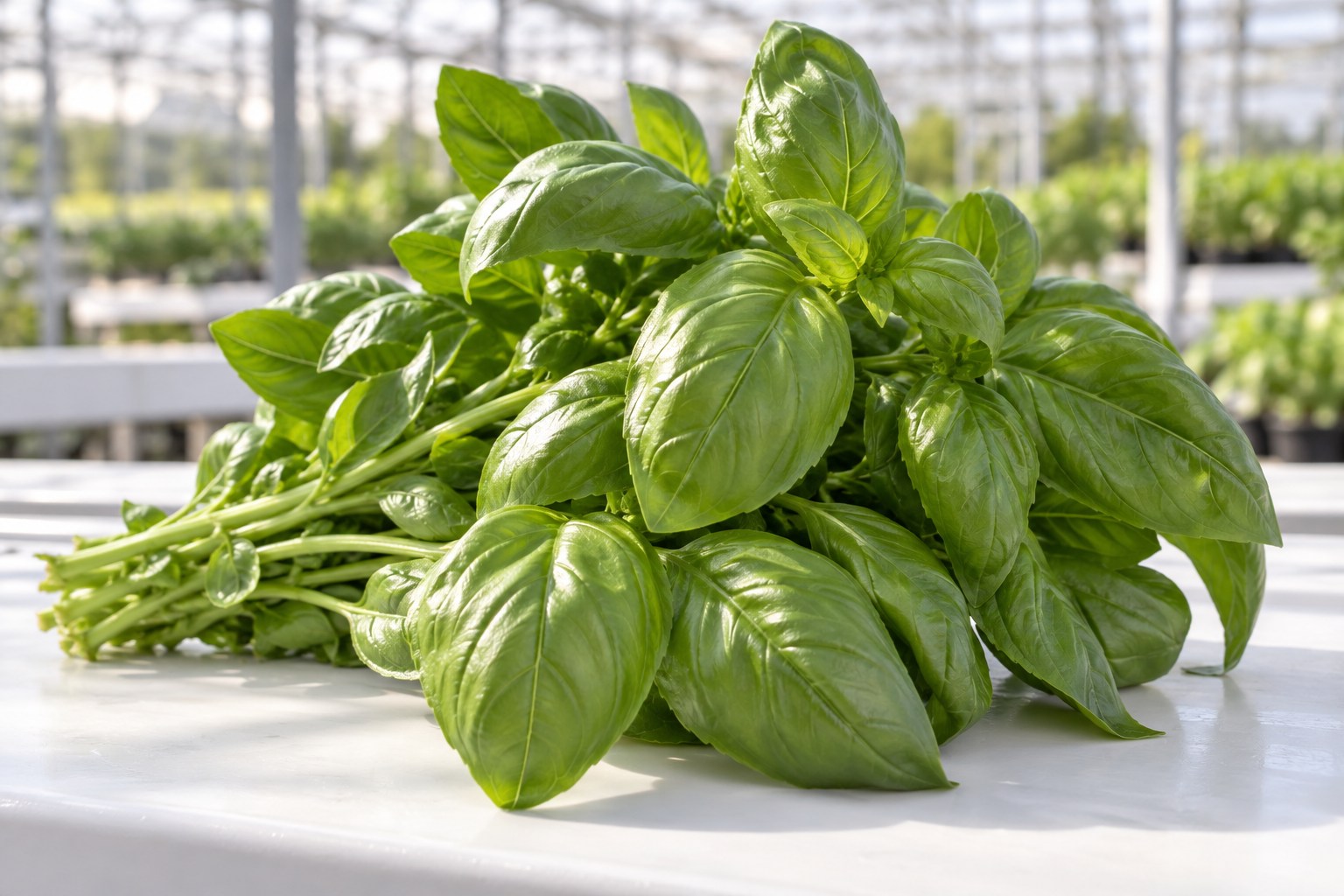
Basil
Greens

Basil

Key nutrientsVitamin K · Carotenoids · Phenolic compounds
Role in the body
  • Vitamin K plays a role in normal blood clotting and the maintenance of normal bones.
  • Carotenoids and phenolic compounds are among the plant’s natural antioxidant components.
  • Its intense aroma may help create flavor with less added salt.
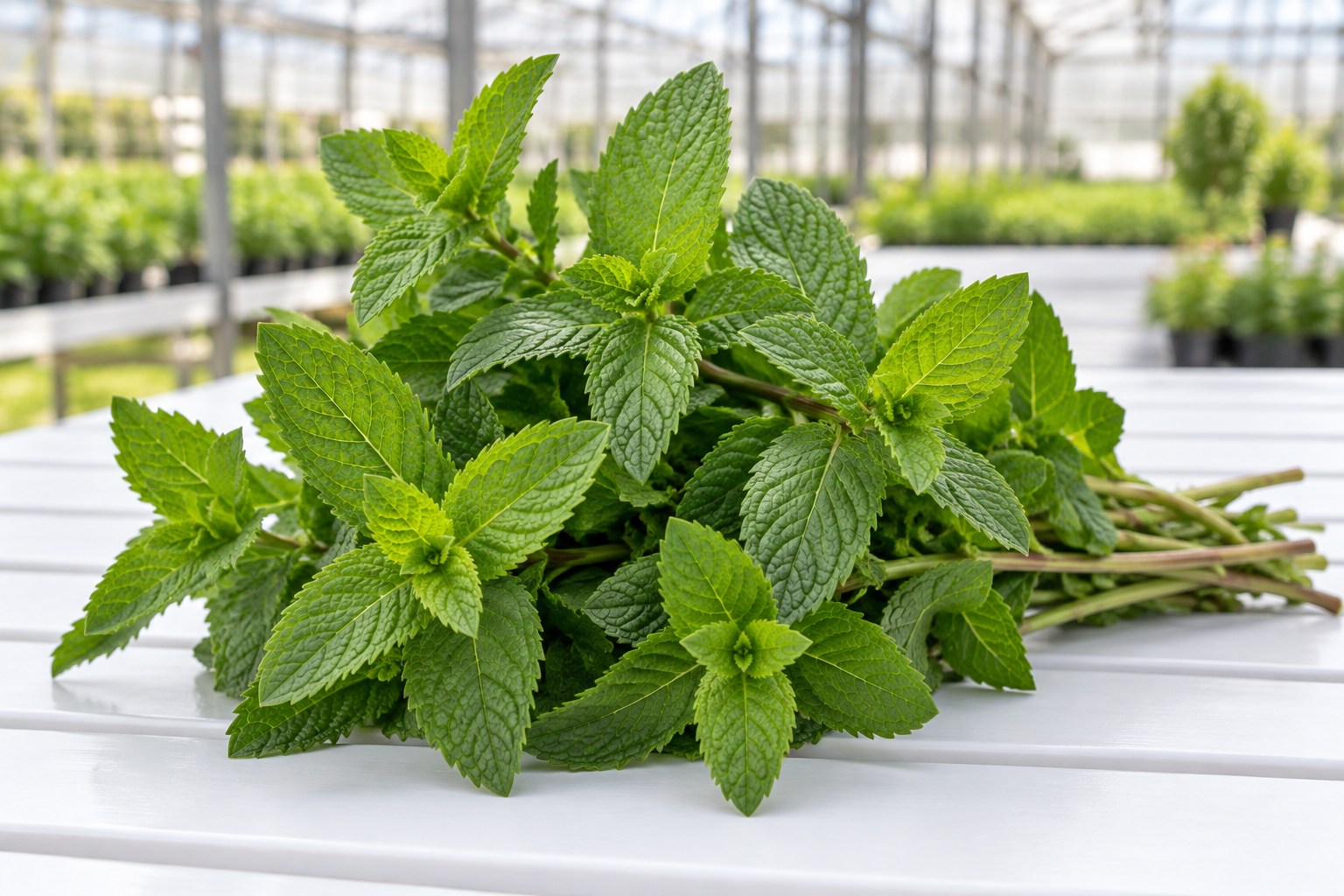
Mint
Greens

Mint

Key nutrientsCarotenoids · Phenolic compounds · Fiber
Role in the body
  • Mint contains a range of phenolic plant compounds.
  • Carotenoids are antioxidant plant pigments.
  • Its fresh aroma can add flavor variety without added sugar or heavy sauces.
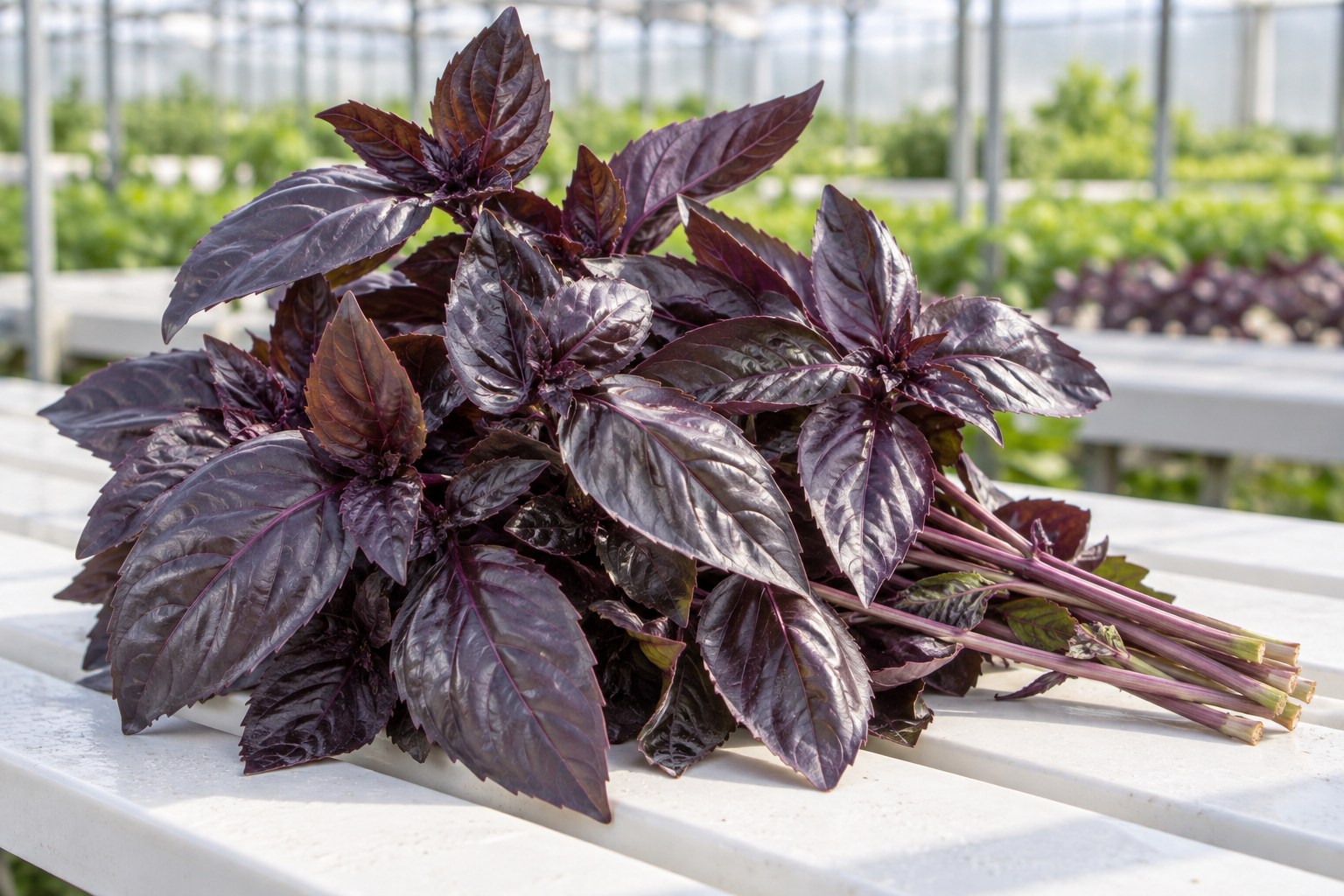
Purple Basil
Greens

Purple Basil

Key nutrientsAnthocyanins · Vitamin K · Phenolic compounds
Role in the body
  • Purple basil contains anthocyanin pigments.
  • Vitamin K plays a role in normal blood clotting and bone health.
  • Phenolic compounds contribute to the plant’s natural antioxidant capacity.
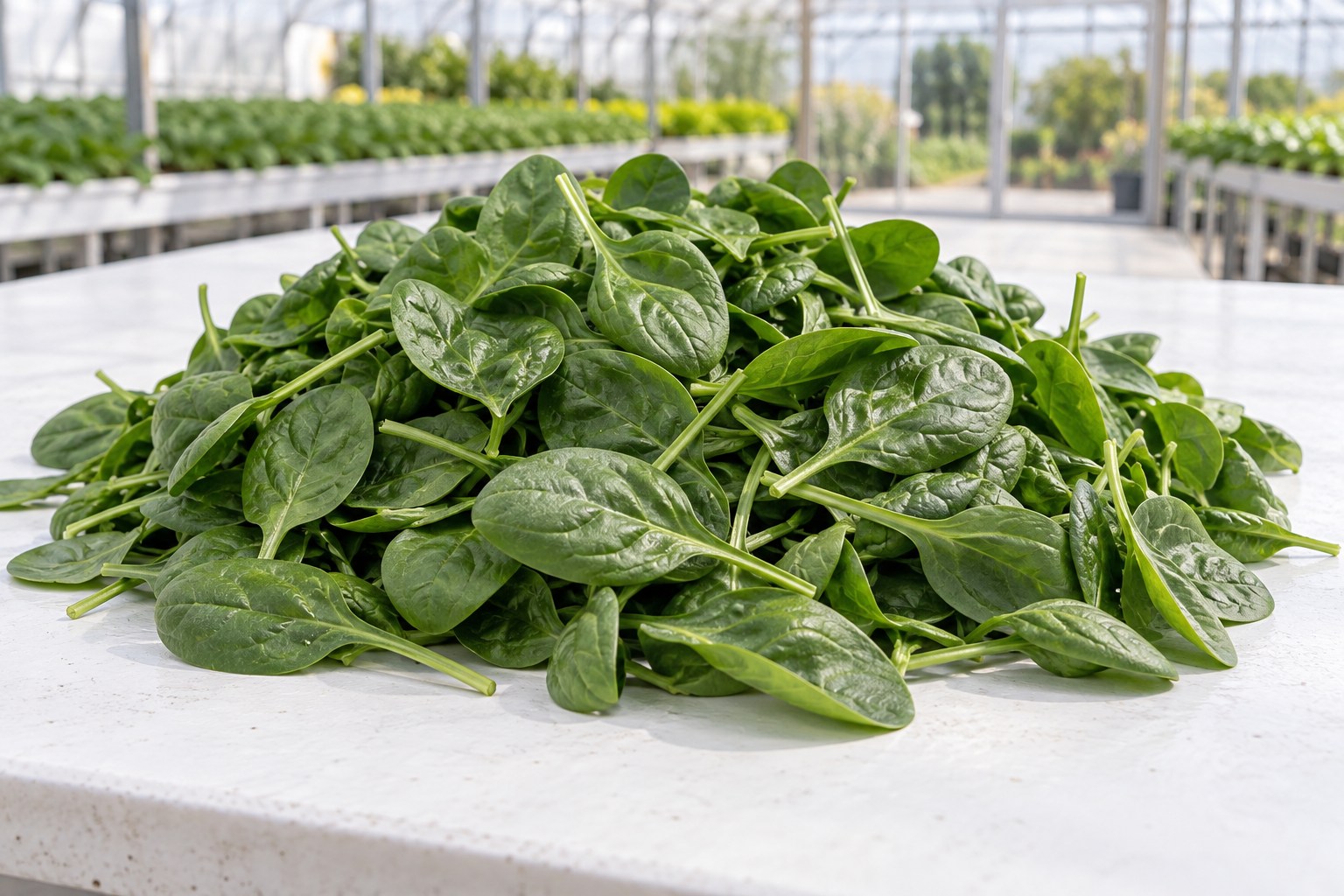
Baby Spinach
Greens

Baby Spinach

Key nutrientsFolate · Vitamin K · Magnesium · Iron · Lutein
Role in the body
  • Folate plays a role in normal cell division and blood formation.
  • Vitamin K contributes to the maintenance of normal bones.
  • The iron in spinach is plant-based; consuming it with vitamin C-rich foods may help support absorption.
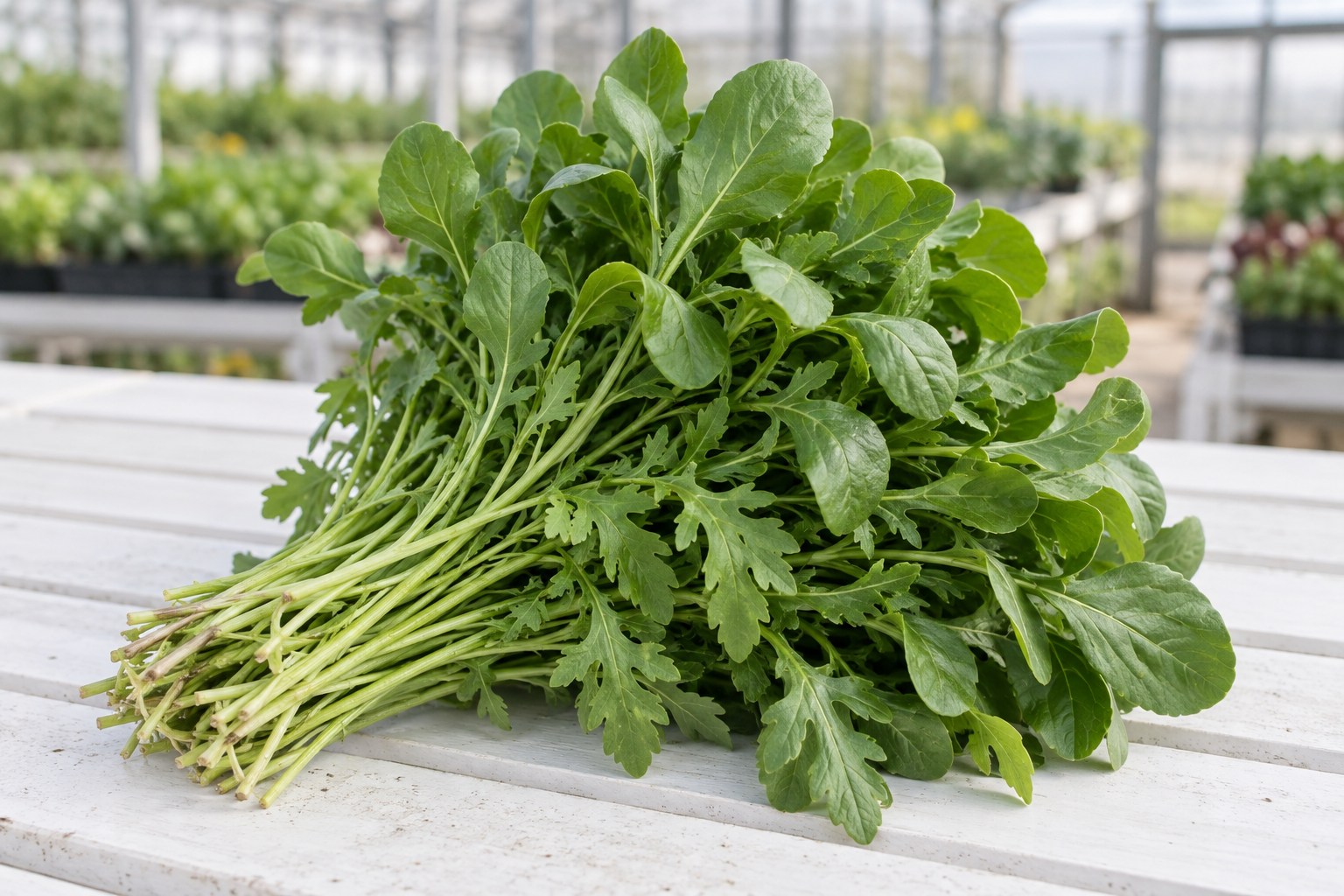
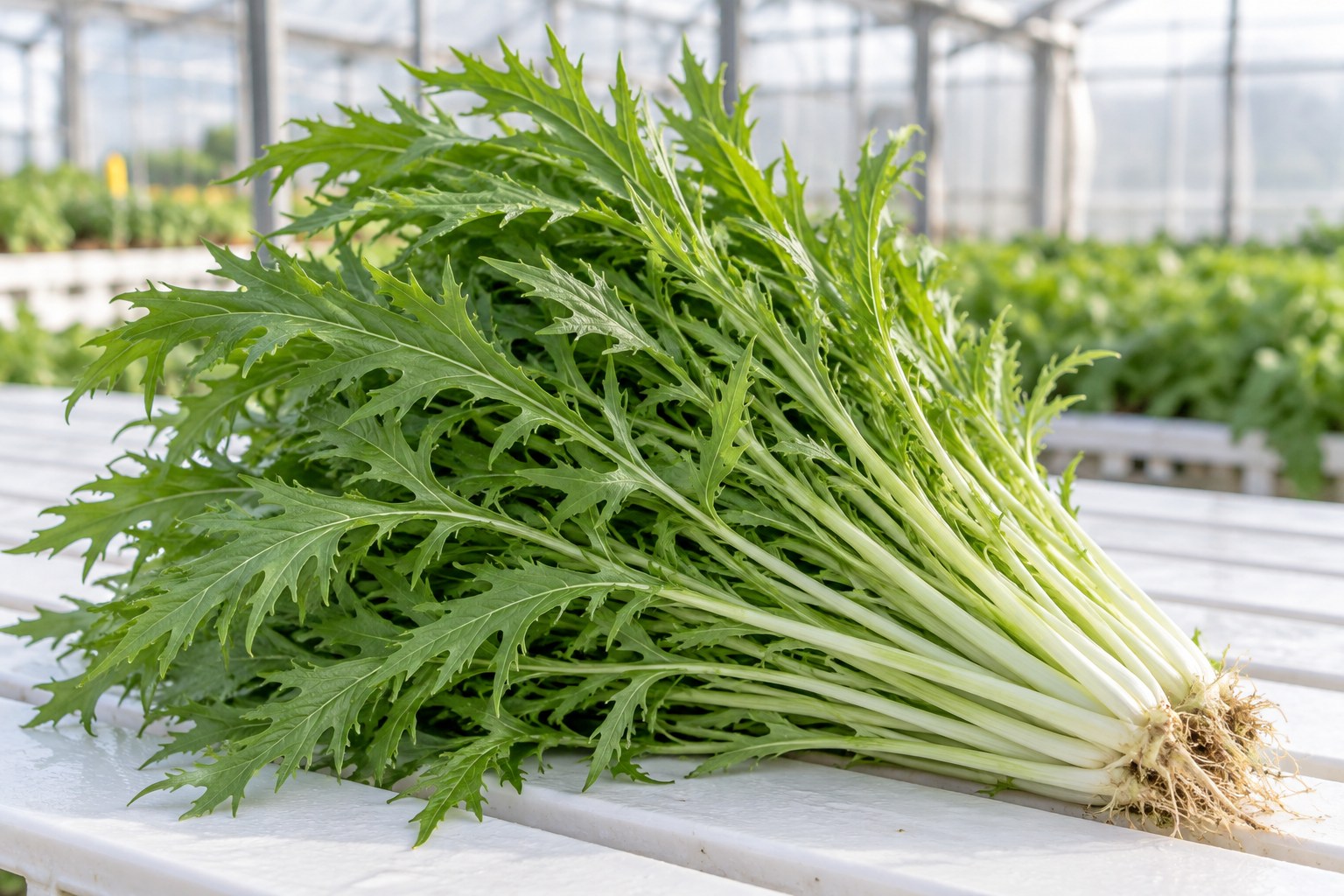
Mizuna
Greens

Mizuna

Key nutrientsVitamin K · Vitamin C · Folate · Glucosinolates
Role in the body
  • Vitamin K plays a role in normal blood clotting.
  • Vitamin C supports collagen formation and antioxidant defense.
  • Mizuna, a member of the Brassica family, contains plant compounds called glucosinolates.
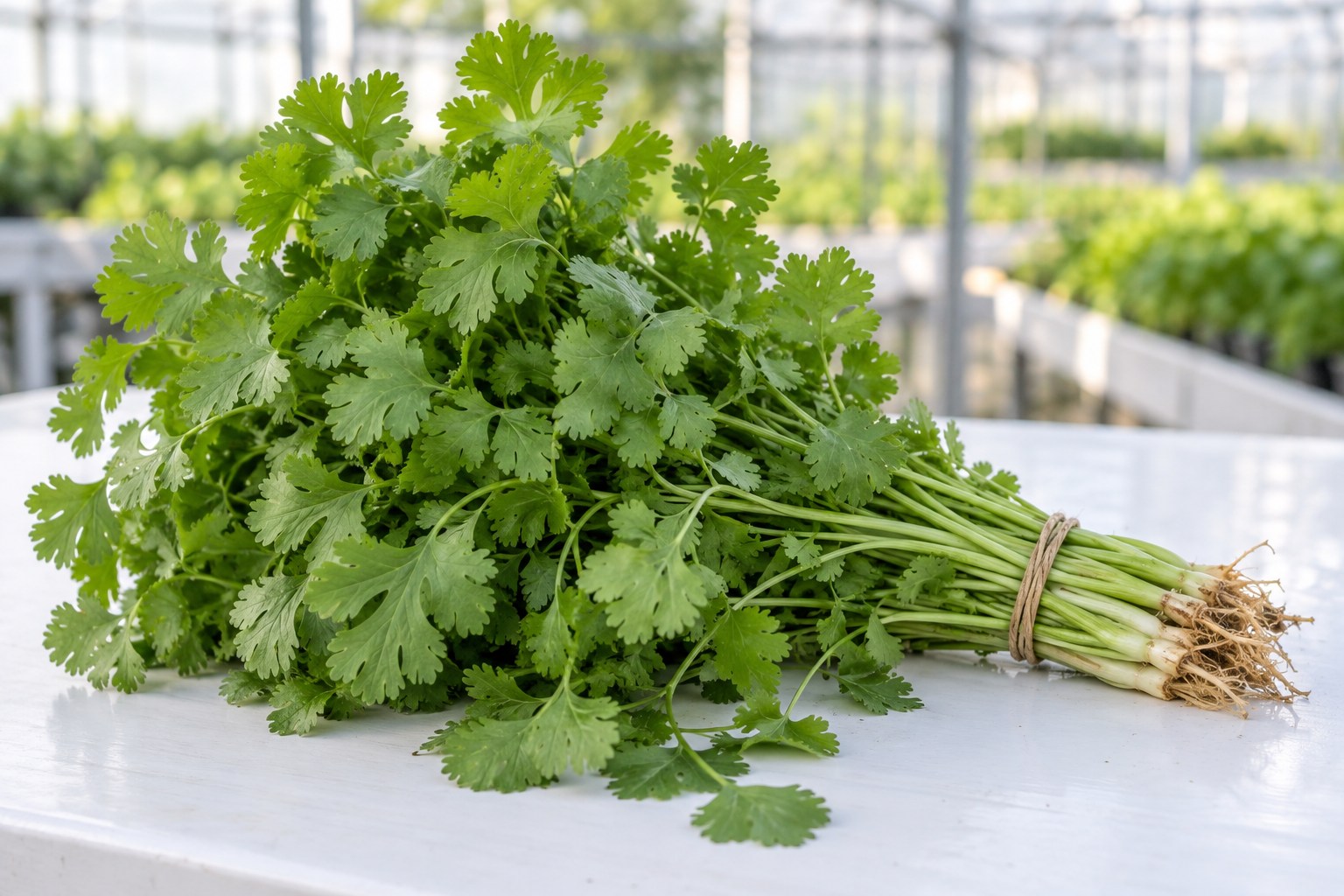
Cilantro
Greens

Cilantro

Key nutrientsVitamin K · Carotenoids · Vitamin C
Role in the body
  • Vitamin K contributes to normal blood clotting and the maintenance of normal bones.
  • Some carotenoids can have provitamin A activity.
  • Vitamin C contributes to normal immune function and antioxidant protection.
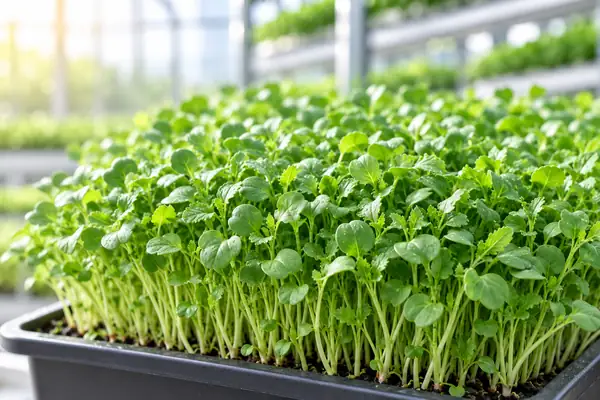
Pea Microgreens
Microgreens

Pea Microgreens

Key nutrientsVitamin C · Vitamin K · Folate · Carotenoids
Role in the body
  • Vitamin C contributes to collagen formation and antioxidant defense.
  • Vitamin K plays a role in normal blood clotting and the maintenance of normal bones.
  • The nutrient density of microgreens can vary by variety and growing conditions.
Radish Microgreens
Microgreens

Radish Microgreens

Key nutrientsVitamin C · Glucosinolates · Carotenoids
Role in the body
  • Vitamin C contributes to normal immune function and collagen formation.
  • Radish microgreens contain Brassica-specific plant compounds such as glucosinolates.
  • These compounds are being studied for their role in antioxidant-related mechanisms.
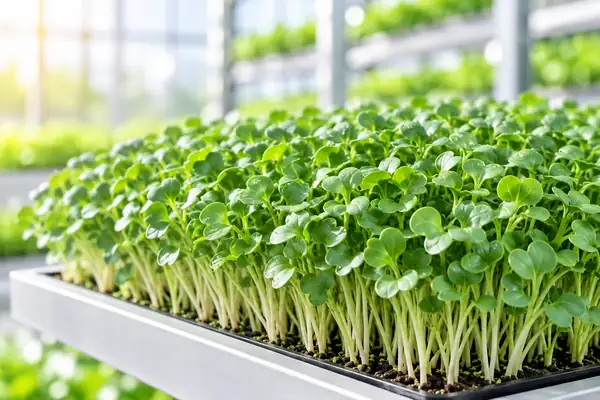
Broccoli Microgreens
Microgreens

Broccoli Microgreens

Key nutrientsGlucosinolates · Sulforaphane precursors · Vitamin C · Vitamin K
Role in the body
  • Broccoli microgreens can contain glucosinolates and precursors of sulforaphane.
  • Vitamin C supports antioxidant defense and collagen formation.
  • Vitamin K plays a role in normal blood clotting and bone maintenance.
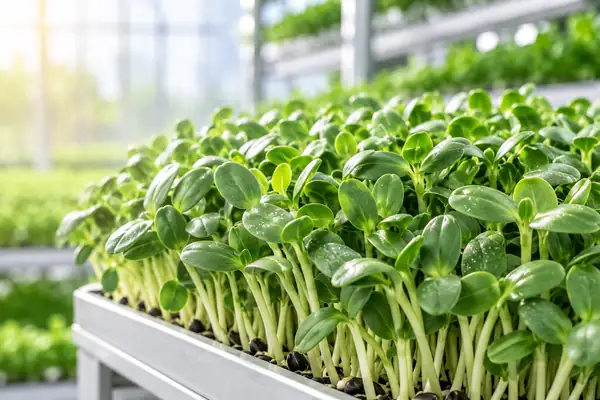
Sunflower Microgreens
Microgreens

Sunflower Microgreens

Key nutrientsVitamin E · Folate · Minerals · Carotenoids
Role in the body
  • Vitamin E is an antioxidant that contributes to the protection of cells from oxidative stress.
  • Folate plays a role in normal cell division.
  • Mineral and vitamin levels can vary with growing conditions and harvest timing.
Mustard Microgreens
Microgreens

Mustard Microgreens

Key nutrientsVitamin K · Vitamin C · Glucosinolates
Role in the body
  • Vitamin K contributes to normal blood clotting.
  • Vitamin C supports antioxidant defense and collagen formation.
  • Glucosinolate-derived plant compounds contribute to mustard’s characteristic sharpness.
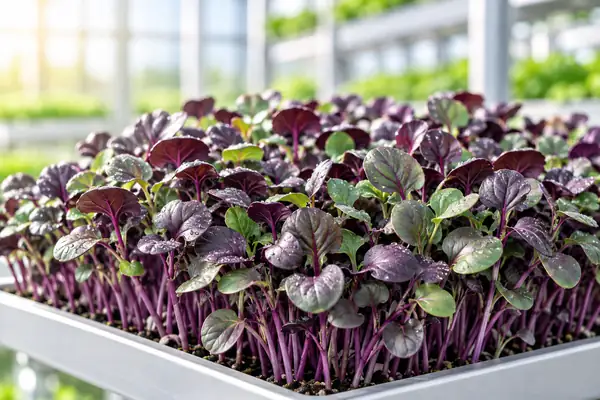
Purple Cabbage Microgreens
Microgreens

Purple Cabbage Microgreens

Key nutrientsAnthocyanins · Vitamin C · Vitamin K
Role in the body
  • Purple pigments contain plant compounds known as anthocyanins.
  • Vitamin C contributes to antioxidant protection and collagen formation.
  • Vitamin K plays a role in normal blood clotting and bone maintenance.
Arugula Microgreens
Microgreens

Arugula Microgreens

Key nutrientsVitamin K · Vitamin C · Folate · Glucosinolates
Role in the body
  • Vitamin K contributes to normal blood clotting and the maintenance of normal bones.
  • Folate plays a role in normal cell division.
  • Arugula microgreens may contain glucosinolate-type plant compounds also found in mature arugula.

Sources behind the information

The product cards are based on general nutrient-composition data and established physiological roles of vitamins. Nutrient density in microgreens can vary substantially by species and growing conditions.

Let’s choose the right products for your menu.

Request a quote for products, quantities and a weekly delivery plan.

Request a Supply Quote →